

Baby Blues vs. Postpartum Depression: What Every Doula Should Know

Ask any doula who has sat with a family in those first foggy weeks at home, and they’ll tell you the same thing: emotional changes after a baby is born are almost a given. Tears out of nowhere. Big waves of love, then a wave of overwhelm an hour later. The truth is, some of that is normal, and some of it isn’t, and it isn’t always easy to tell which is which.
That’s exactly the challenge with baby blues vs. postpartum depression. Both can affect new parents, but they differ in their symptoms, severity, duration, and the level of support that may be needed. And knowing the difference matters, because the right response can vary depending on the circumstance.
I’m Jayne Havens, founder of the Center for Pediatric Sleep Management, and I’ve spent years supporting families through the exhausting newborn and toddler seasons. In this post, I’m walking you through the differences between the baby blues and postpartum depression, the common warning signs, treatment options, and when it’s important to seek professional help. This way, as a doula supporting families with new babies and toddlers, you feel confident spotting what’s in front of you.

Baby Blues vs. Postpartum Depression: What Every Doula Should Know
Here’s the short answer. Baby blues are common, mild, and temporary. Postpartum depression is a more serious mental health condition that often needs professional support.
The difference really comes down to timing, severity, and duration.
According to research, around 70% to 80% of women report experiencing negative feelings after delivery. Baby blues specifically tends to peak in the first week after delivery and slowly resolve within the following weeks. The feelings are still real; they’re just temporary.
Postpartum depression is different. It can emerge anytime in the first year and, without treatment, may last for months or even longer. That’s the key line for doulas to hold onto: postpartum depression can last for months, and the mood swings don’t simply lift the way the blues do.
The causes overlap too. Hormones, sleep loss, and the sheer physical recovery of birth play into both. The sections below explore each condition in more detail. Additionally, as a Certified Sleep Consultant, I’ll discuss how lack of sleep, both in parents and other children, can quietly make everything harder.
What Are Baby Blues?
Baby blues are a common, temporary emotional response that many parents experience after a baby is born. If a client tells you she’s weepy for no reason in week one, you’re very likely looking at the blues. They’re also widespread. Approximately 50% to 75% of new moms experience baby blues, which are temporary and require no treatment.
That “no treatment” part matters. This is a normal adjustment, not a disorder. That said, several things stack up at once. Hormonal changes, physical recovery from birth, and the enormous adjustment to parenthood all contribute to those big feelings. However, here’s a good rule of thumb: the postpartum blues don’t affect daily functioning or the ability to care for the baby.
Whether you’re a doula looking for more information or a tired mother looking for reassurance, listen to my podcast episode: “Identifying Your WHY with Liza Montanino.”
What Causes Baby Blues?
The blues aren’t caused by one single thing. Think: hormones, exhaustion, and a brand new identity all landing at once. Here are a few contributing factors:
- Hormonal shifts: The rapid drop in estrogen and progesterone levels after delivery, coupled with the stress and sleep deprivation that often accompany caring for a newborn, can increase the risk of experiencing postpartum blues.
- Physical recovery: Healing from birth is demanding, and a depleted body feels emotions more intensely.
- Trouble sleeping: Newborn nights are unpredictable, and broken sleep amplifies every feeling.
- The adjustment to parenthood: A whole new routine, a new role, and a lot of pressure, all at once. It can begin to weigh on emotions.
What Is Postpartum Depression?
Postpartum depression is a medical condition that extends beyond the baby blues and often requires professional evaluation and treatment. It doesn’t lift on its own the way the blues do, and it deserves real care.
It’s also more common than many families realize. More specifically, according to the CDC, around 1 in 8 women who give birth develop clinical postpartum depression. As a doula, it’s not uncommon whatsoever to encounter new moms navigating this condition.
You may notice postpartum depression affecting the mother’s mental health, relationships, ability to care for her baby, or even the ability to care for herself. That impact is ultimately what sets PPD from baby blues.
Are you interested in making a meaningful difference in new mothers’ lives? Visit my guide, “Postpartum Coach: What You Need to Know to Start Your Career.”
What Are Symptoms of Postpartum Depression?
The symptoms of postpartum depression are more intense and more lasting than the blues. Left alone, they tend to stick around. Without treatment, PPD may last for months or even longer.
Watch for these symptoms:
- Persistent feeling sad or low mood that doesn’t lift
- Loss of interest in things that used to bring joy
- Severe guilt, worthlessness, or feeling like a bad parent
- Ongoing mood swings and irritability
- Trouble sleeping even when the baby sleeps, or sleeping too much
- Difficulty bonding with the baby
- Struggling with daily tasks and basic self-care
- In serious cases, thoughts of wanting to harm yourself or your baby
Unlike baby blues, PPD lasts longer than two weeks and includes persistent sadness, loss of interest, severe guilt, or even thoughts of harming yourself or your baby. It’s important that, as the doula, you remind mothers that PPD isn’t something to be ashamed of. It is, however, worth receiving professional help for.
What Causes Postpartum Depression?
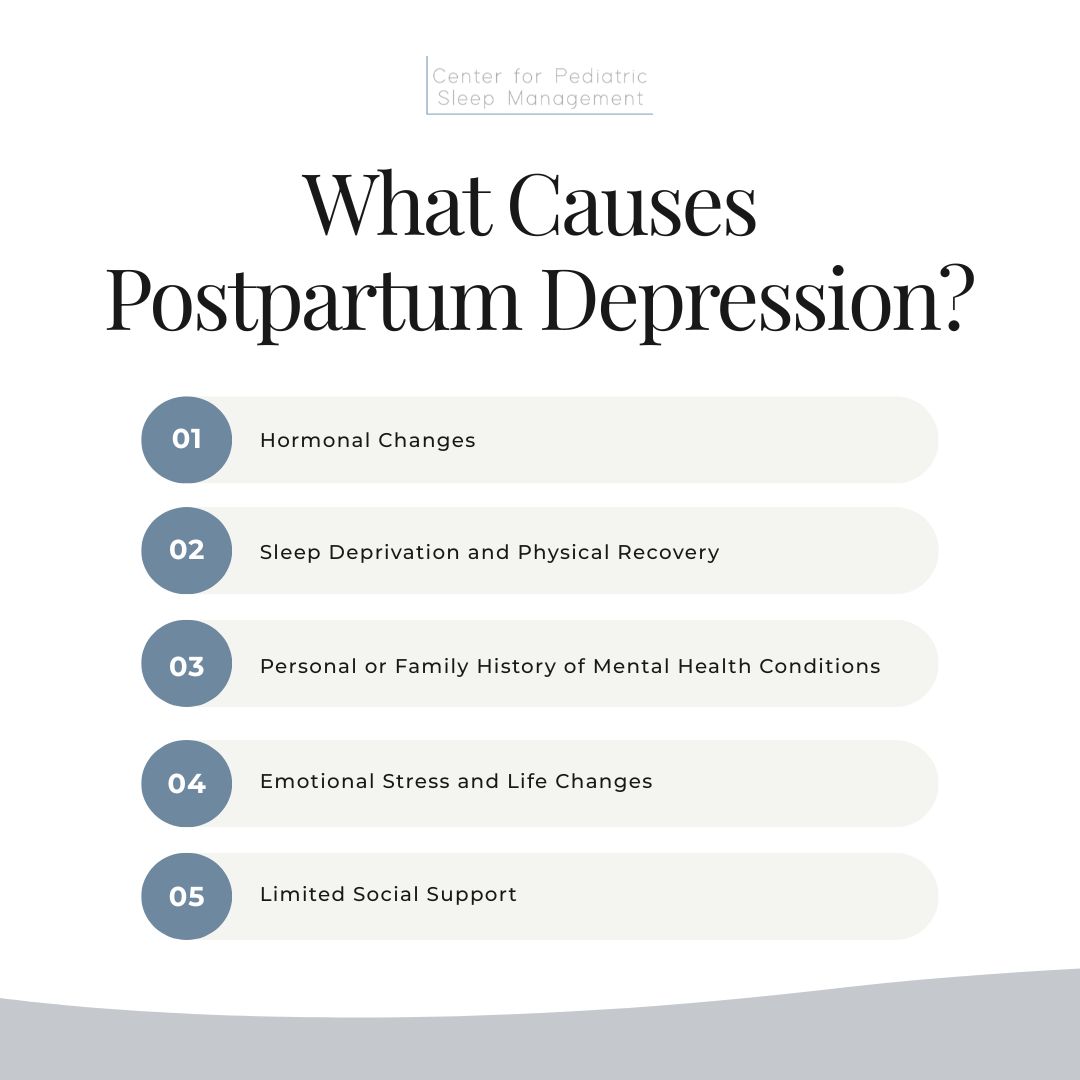
As I mentioned above, there isn’t one single cause of postpartum depression. Instead, it’s usually the result of several physical, emotional, and environmental factors coming together during an already overwhelming time. Understanding these risk factors can help doulas recognize when parents may need additional support:
Hormonal Changes
After childbirth, the body experiences one of the most significant hormonal shifts it will go through. Estrogen and progesterone levels drop rapidly after delivery, and researchers believe this sudden change may contribute to postpartum depression. When you add the emotional adjustment to caring for a newborn, it’s easy to see why the postpartum period can feel so overwhelming.
Sleep Deprivation and Physical Recovery
Recovering from pregnancy and birth while waking multiple times throughout the night is physically and emotionally exhausting. Sleep deprivation doesn’t cause postpartum depression on its own, but it can intensify feelings of sadness, anxiety, overwhelm, and irritability. This is one reason why what we do at the CPSM is so important.
Whether you’re a parent looking for guidance or a doula supporting families during the postpartum period, understanding healthy infant sleep can have a meaningful impact on the well-being of the entire family. By helping parents get restorative sleep, sleep consultants become an important part of a family’s postpartum support system.
For those interested, read my post, “Reasons Why a Doula Should Be Certified Sleep Consultant.” Additionally, consider enrolling in the CPSM’s Sleep Consultant Certification Course. It’s a one-time investment for extensive resources, a supportive community, and a meaningful, lasting career. (I’ll touch more on this below.)
Personal or Family History of Mental Health Conditions
Parents who have a history of depression, anxiety, bipolar disorder, or postpartum depression may have a higher likelihood of developing postpartum depression after a new baby arrives. A family history of mood disorders can also increase risk. Knowing the history before delivery allows families to plan for additional support during the postpartum period.
Emotional Stress and Life Changes
Welcoming a baby is a joyful milestone, but it’s also one of life’s biggest transitions. Adjusting to a new routine, healing physically, managing changing relationships, balancing work expectations, financial concerns, or processing a difficult birth experience can all contribute to emotional stress. When several of these challenges occur at once, they may increase the likelihood of developing PPD.
Limited Social Support
No parent is meant to navigate the postpartum period alone. Having supportive family members, friends, healthcare providers, or postpartum professionals can make a meaningful difference in recovery. Feeling isolated or lacking practical and emotional support has been consistently associated with a higher risk of postpartum depression.
Baby Blues vs. Postpartum Depression Symptoms
Comparing the two side by side is the fastest way to tell them apart. Here’s how baby blues and postpartum depression symptoms stack up.
Emotional Symptoms
Both baby blues and postpartum depression can involve tearfulness, mood swings, and feeling emotionally overwhelmed. The difference is how long those feelings last and how much they interfere with daily life.
With the baby blues, emotions tend to ebb and flow. A mom may cry easily one moment and feel much better the next. The postpartum depression experience, on the other hand, is characterized by a persistent low mood that doesn’t lift easily and can make even simple daily tasks feel overwhelming.
Physical and Cognitive Symptoms
It’s normal for new parents to feel physically exhausted. In fact, it’s expected! Both conditions can include fatigue, sleep disturbances, changes in appetite, difficulty concentrating, irritability, and anxiety. However, they differ in intensity and longevity.
With the baby blues, these symptoms are generally mild and improve as parents recover from childbirth and adjust to life with a newborn. The first couple of weeks may be noticeably more difficult, but many parents often report feeling better over time. Postpartum depression symptoms, however, are usually more intense and last longer. Many moms report it being difficult to concentrate, sleep, or feel present throughout the day.
Are you a doula looking to integrate sleep consultation into your approach? Read my post, “How to Scale Your Postpartum Doula Business?”
Effects on Bonding and Daily Life
One of the biggest distinctions is how each condition affects everyday functioning. Parents experiencing the baby blues are usually still able to care for themselves and their baby, even if they’re feeling emotional.
Postpartum depression can make routine tasks, self-care, or bonding with a baby feel incredibly difficult. Some parents may even feel disconnected from their baby, while others simply feel like they’re struggling to get through each day.
As a doula, recognizing these changes early helps families receive the support they need.
Duration and Severity
The baby blues typically begin within the first few days after birth and resolve on their own within a few weeks. If symptoms continue beyond that point, become more severe, or begin interfering with daily life, postpartum depression becomes a much greater concern.
Parents should never feel like they have to “wait it out” if they’re struggling. Reaching out for support early can make a significant difference, and postpartum professionals, healthcare providers, and loved ones can all play an important role in helping mothers navigate this transition.
For doulas and other postpartum professionals, understanding these differences is essential. Recognizing when a parent may need additional support allows you to provide reassurance, encourage appropriate next steps, and remain a trusted part of their postpartum care team.
For those looking for a quick rundown of symptoms to share with families, refer to my guide, “Postpartum Warning Signs.”
How Is Postpartum Depression Treated?
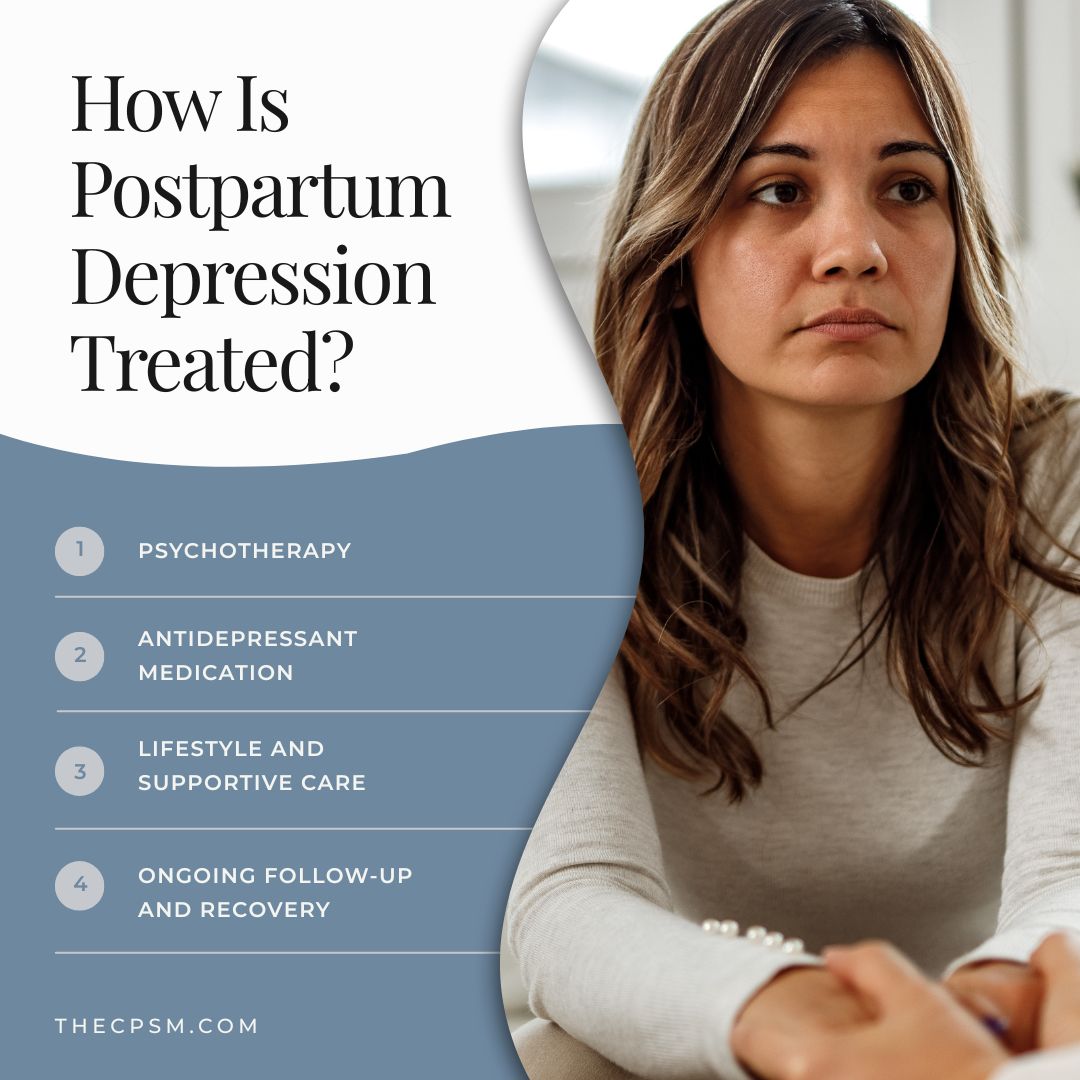
Here’s the reassuring part. It is possible to treat postpartum depression, and with the right support, parents get better. Treatment should always be individualized by a qualified healthcare professional, so this is a moment to gently guide a client toward her provider rather than to advise her yourself. A quick note for doulas: anything touching medication, diagnosis, or a treatment plan belongs with her doctor or a licensed mental health provider.
Psychotherapy
Talk therapy is often the first-line approach. One well-studied option is cognitive behavioral therapy, a type of talk therapy that helps a parent identify and change the thoughts and behaviors feeding low mood and poor sleep.
And the research is promising. Studies show that CBT is an effective treatment for mothers dealing with postpartum depression and anxiety. At its core, cognitive behavioral therapy helps new mothers identify and challenge thoughts, patterns, and behaviors stemming from their experience. This includes recognizing “all-or-nothing” thinking, reframing unhelpful thoughts, and prioritizing their own health using mindfulness.
This form of therapy can also be incredibly useful in sleep consulting! Learn more by reading my article, “What Does a Sleep Specialist Do? Understanding the Profession.”
Antidepressant Medication
For some new moms, medication can be an important part of postpartum depression treatment. Depending on the severity of symptoms, a healthcare provider may recommend an antidepressant, and many commonly prescribed options are considered compatible with breastfeeding when used under medical supervision.
The right treatment plan is highly individualized, taking into account a moms’ symptoms, medical history, feeding goals, and overall health. Because medication decisions are clinical, they should always be made in partnership with the parent’s healthcare provider. As a postpartum professional, the goal is to offer compassionate support, encourage families to seek appropriate care, and reinforce that asking for help is a sign of strength rather than a weakness.
Lifestyle and Supportive Care
Rest, nourishment, movement, and connection all support recovery alongside professional treatment. A support group can ease the isolation that makes postpartum depression worse, and this is where a doula shines: practical help, a listening ear, and protected time to rest.
Beyond this, however, personalized sleep support can make a meaningful difference in a tired, uncomfortable, and even defeated mother’s life. By helping babies develop healthy, age-appropriate sleep habits, parents have more opportunities to get the restorative sleep their bodies and minds need. While sleep support isn’t a treatment for PPD, it can reduce one of the biggest stressors of early parenthood.
Learn more about the benefits of adding this to your skillset by reading: “Baby Sleep Expert.”
Ongoing Follow-Up and Recovery
Recovery isn’t a straight line, and consistent follow-up keeps it on track. A pivotal factor in the duration of postpartum depression is delayed treatment, and approximately 25% of mothers will have symptoms for years after giving birth. Early, steady support genuinely changes the trajectory. As a doula, your check-ins are part of that safety net.
Turn postpartum support into a career as a Pediatric Sleep Consultant.
So where does all of this leave you as a doula? Right at the center of a family’s hardest, most tender weeks, which is meaningful work.
Here’s what I see over and over. So much of postpartum overwhelm traces back to sleep, for the parents and for the little one. When you can help a family solve their baby’s or toddler’s sleep, you’re not just teaching a skill. You’re protecting a parent’s rest, their recovery, and their mental health.
That’s the lane we teach at the Center for Pediatric Sleep Management: behavioral sleep for babies and toddlers, ages 0 to 4, through a client-led coaching model. We cover the full range of methods, from parent-present and gradual strategies through extinction and everything in between.
Our self-paced online course pairs real sleep science with the business training you need to actually build a practice: setting your rates, finding clients, and creating something sustainable. It’s $2,700 with lifetime access, no annual fees, plus a starter library of six books and a private community where you have direct access to me.
Ready to add sleep consulting to the postpartum work you already love? Enroll in our sleep consultant certification course, or schedule a discovery call with me, Jayne Havens, and let’s talk it through. Not quite ready to commit? Download our free ebook, Launching Your Career as a Sleep Consultant, right here.
Cheering you on,
Jayne Havens
This post is for educational purposes only and is not medical advice. Baby blues and postpartum depression are medical concerns, and any parent who may be experiencing them should be evaluated by a qualified health care provider or pediatrician. If a parent has thoughts of harming herself or her baby, seek emergency help immediately.

Considering A Career in Sleep Consulting?
Download our free e-book filled with information on what sleep consultants do and how running a sleep consulting business might fit into your life.